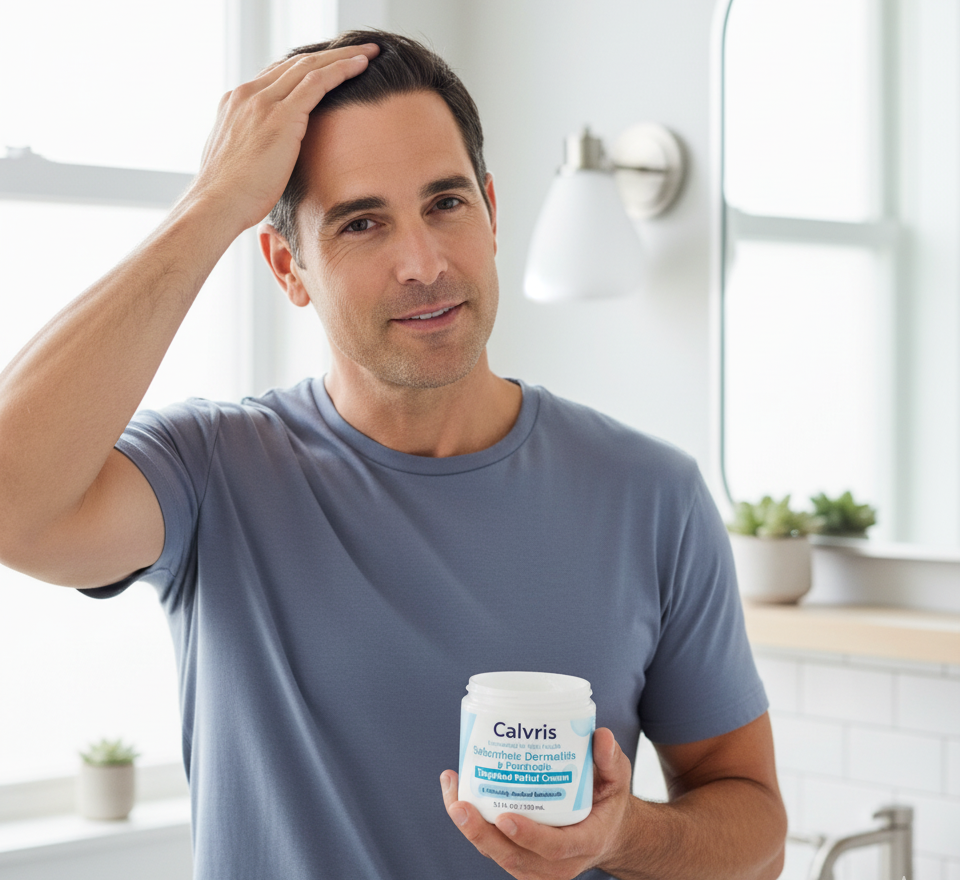
BIGGEST SALE IS NOW LIVE!
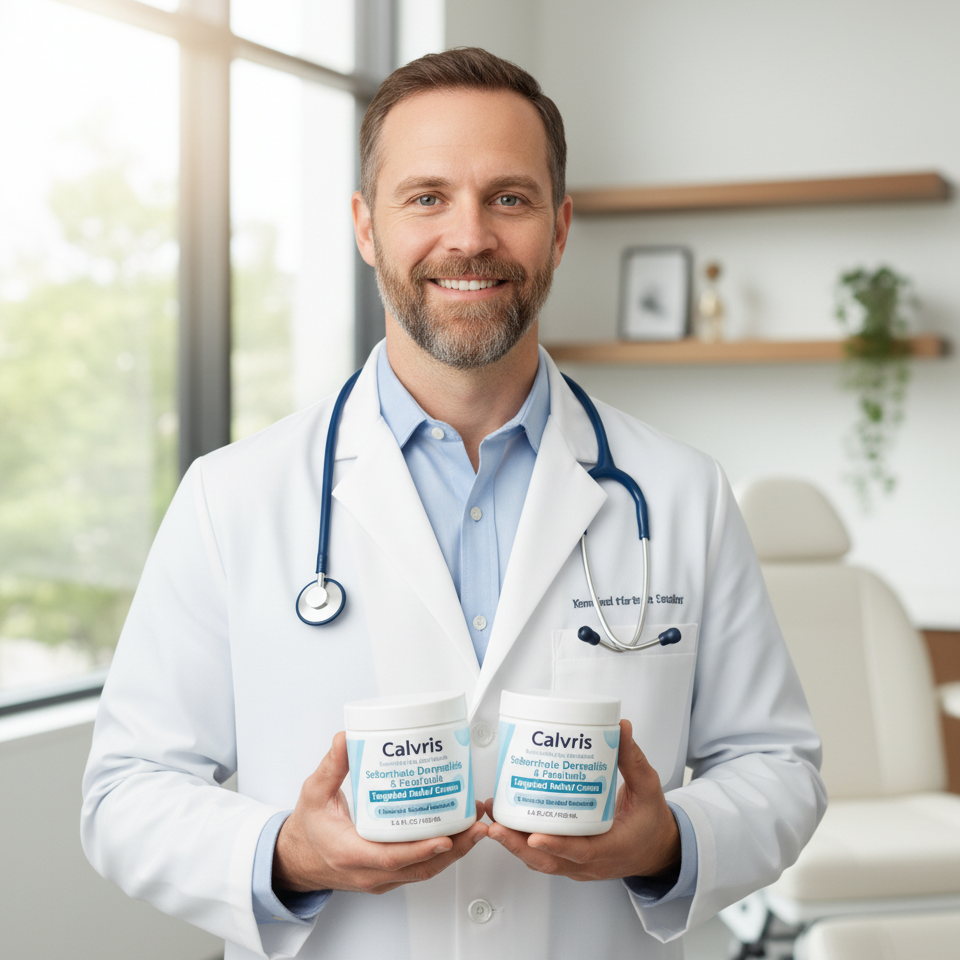
Board-Certified Dermatologist Reveals: "If You Think This Is Just Dry Skin, You're Making a Dangerous Mistake"
What thousands mistake for "winter dryness" is actually a living organism feeding on your skin—and moisturizers are making it worse.

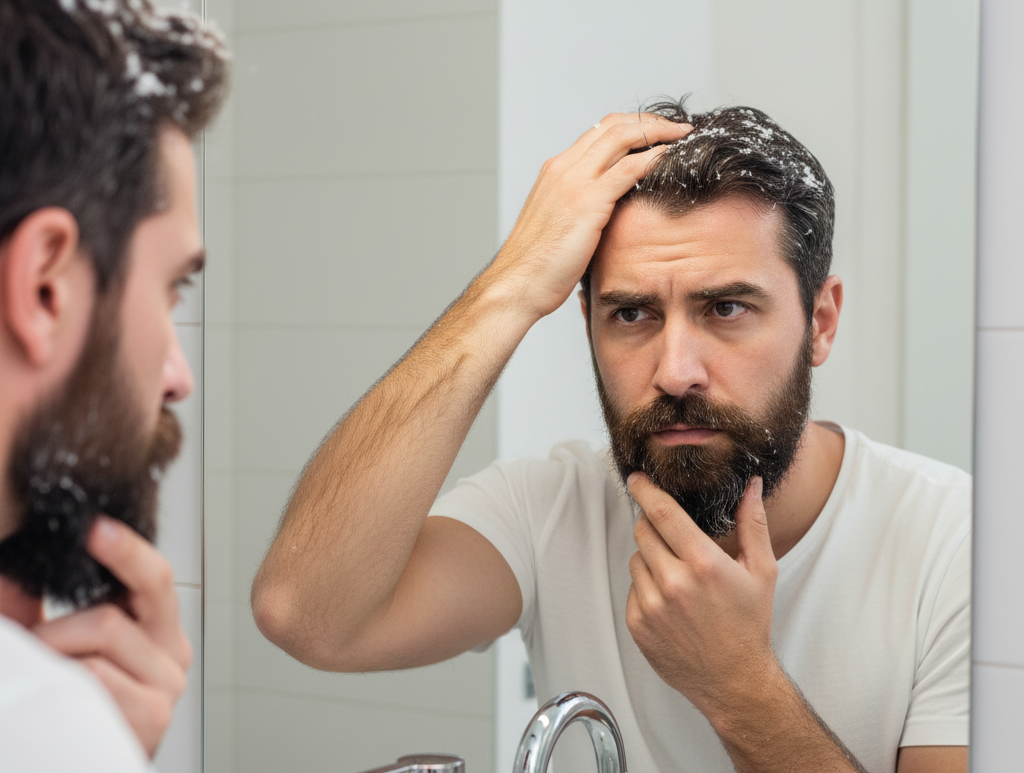
If You Think This Is Dry Skin, You're Completely Wrong
Most people see flaky, irritated skin and immediately think: "I need more moisturizer."
That's the worst thing you could do.
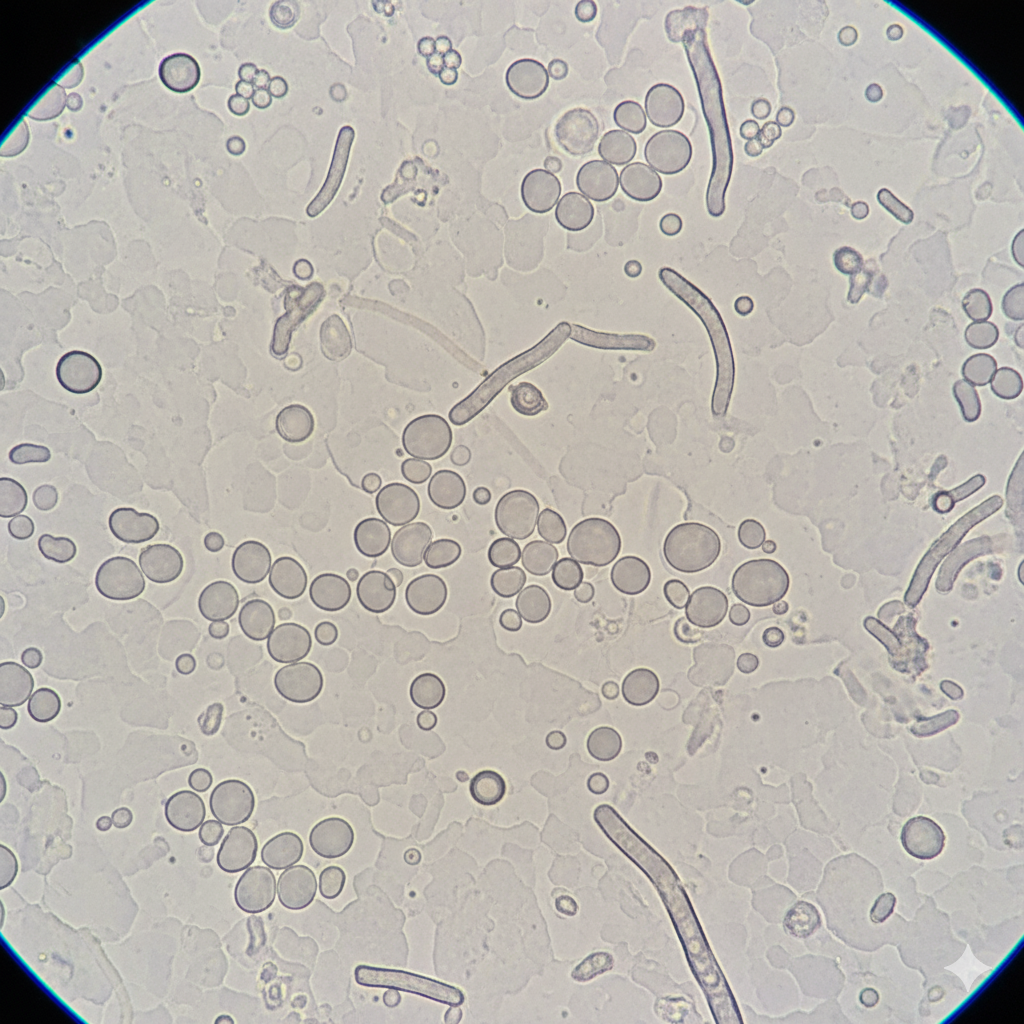
What you're actually looking at is a living organism called Malassezia—a yeast that feeds on your skin's natural oils, breaks down your protective barrier, and causes the constant flaking, redness, and itching you can't get rid of.
And every time you apply moisturizer? You're feeding it. Every time you use regular shampoo? It comes right back. Every time you think "I just have dry skin"? The infection spreads further.
In my 15 years treating over 10,000 patients with chronic skin conditions, nearly 80% are making this exact mistake. They're treating dry skin when they actually have Seborrheic Dermatitis—and it's costing them years of frustration and thousands of dollars.
This Living Organism Is Feeding On Your Skin Right Now
Here's what most people don't realize: you're not dealing with a hygiene problem or a dryness issue.
You're dealing with Seborrheic Dermatitis—a condition caused by Malassezia, a yeast that lives on everyone's skin but overgrows in certain people.
This yeast colonizes your scalp, face, ears, and beard area. It feeds on your natural skin oils (sebum), breaks them down into irritating fatty acids, and triggers an inflammatory response that causes the flaking and redness you see.
That's why your "dandruff" appears in multiple places—around your nose, between your eyebrows, behind your ears, in your beard. It's not dandruff at all. It's a yeast infection spreading across your skin.
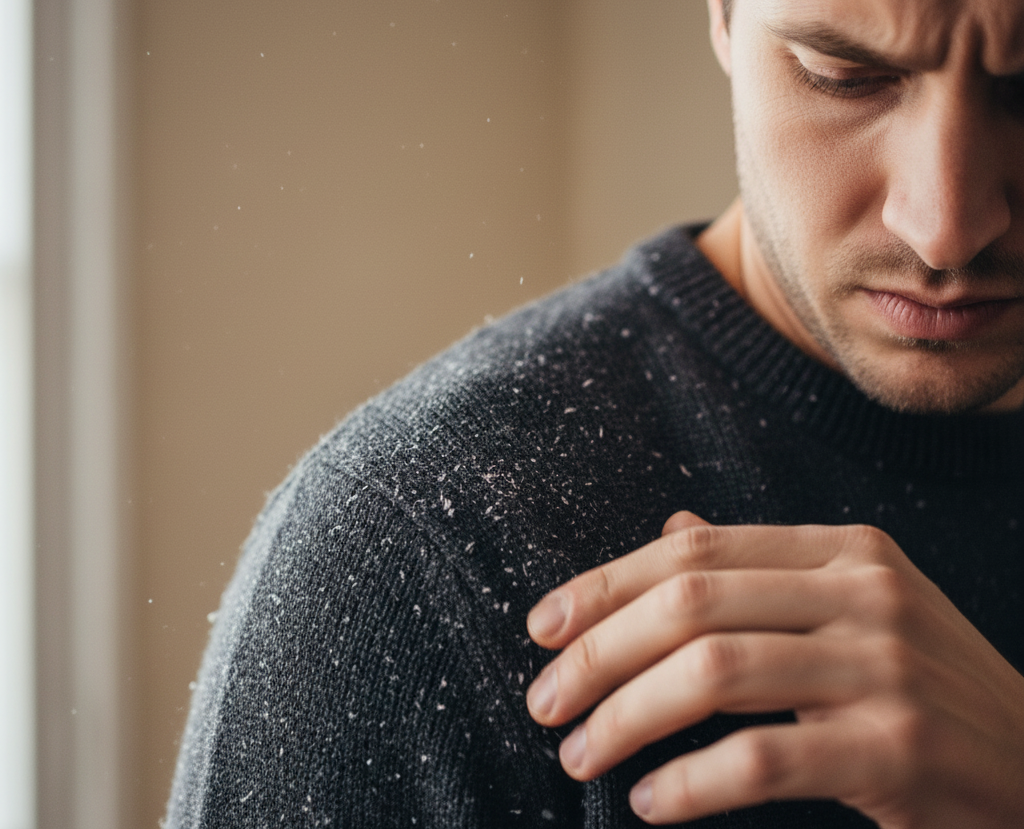
And here's the terrifying part: if left untreated, Malassezia continues spreading. It triggers seborrheic dermatitis, fungal acne, persistent dandruff, and even psoriasis flares. Beyond your skin, it hits your confidence—you're constantly checking mirrors, brushing off your shoulders, avoiding dark clothing and close contact.
Why Your Shampoo Stops Working After 1 Week
If you've been rotating between Head & Shoulders, Nizoral, and Selsun Blue wondering why nothing works long-term, here's why:
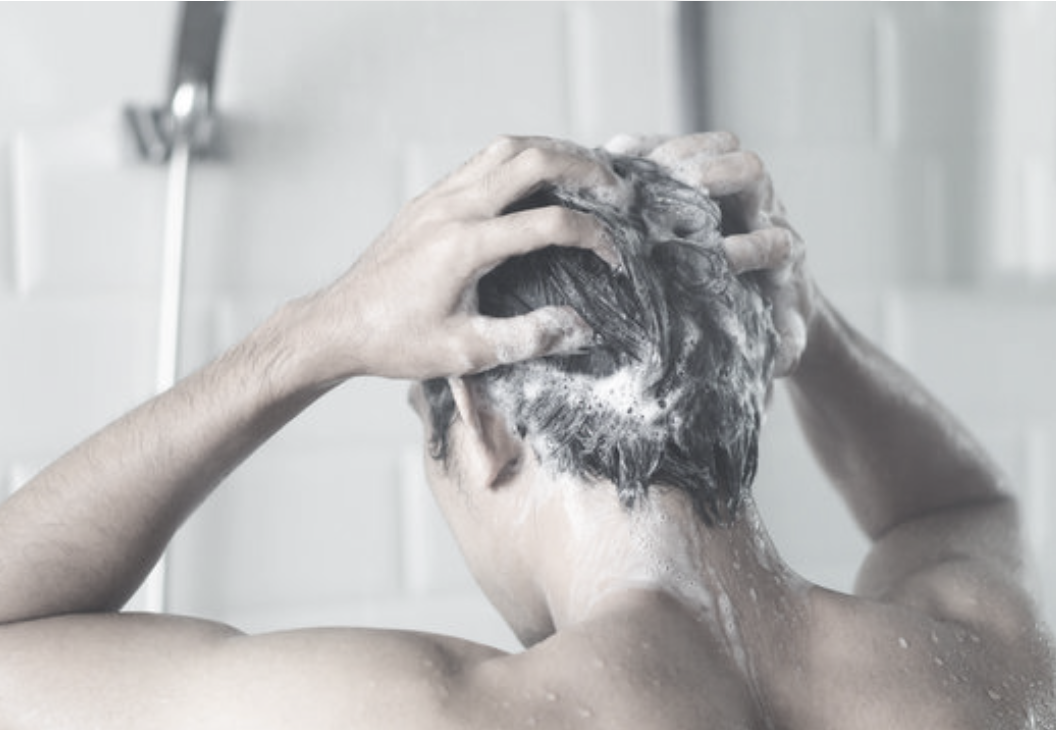
Shampoos rinse off in 2-3 minutes.
The active ingredients (zinc pyrithione, ketoconazole, selenium sulfide) can temporarily suppress Malassezia—but they wash away before reaching the yeast living deep in your hair follicles and oil glands.
Think of it like trying to kill weeds by briefly spraying them with weed killer, then immediately hosing it off. The surface looks better for a few days, but the roots are still alive.
The predictable cycle:
- Days 1-3: Shampoo seems to work
- Days 4-7: Flaking starts returning
- Week 2: You're back to square one
- You buy a different shampoo and repeat
You don't need a different shampoo. You need a treatment that actually stays on your skin long enough to kill the infection.
Your Moisturizer Is Making It Worse
This is the most dangerous misconception of all.
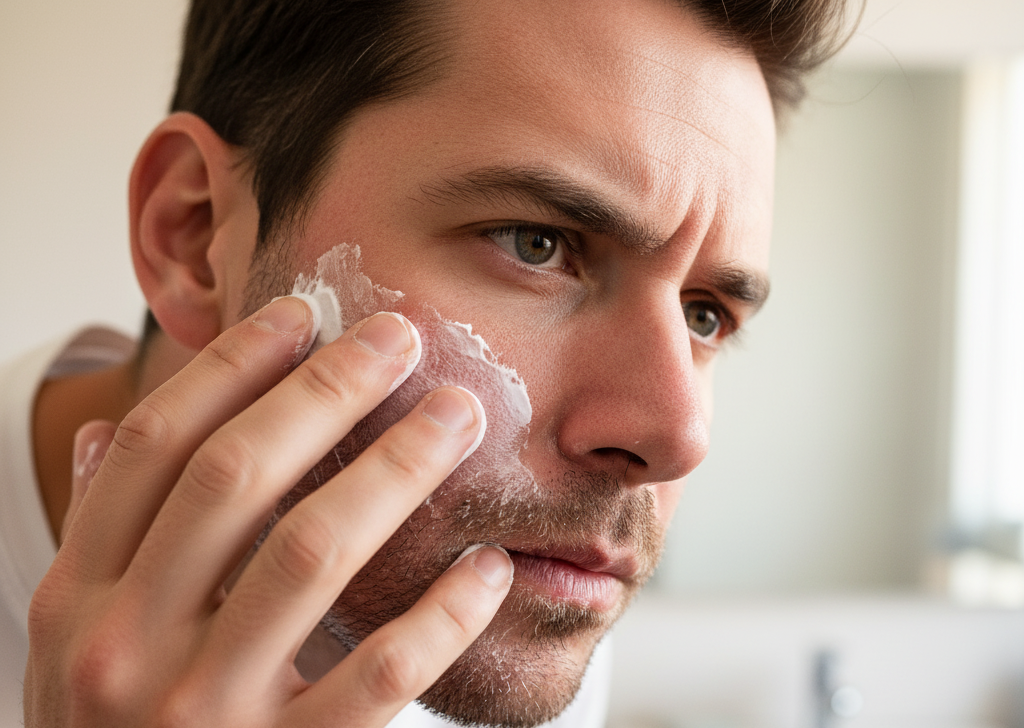
Seborrheic Dermatitis feels dry. Your skin is tight, flaky, uncomfortable. Every instinct tells you to moisturize.
But when you apply traditional moisturizers—especially oils like coconut, argan, or shea butter—you're applying the exact thing Malassezia feeds on.
You're literally fertilizing the infection.
- Your skin produces excess oil (sebum)
- Malassezia eats this oil and multiplies
- Your skin feels dry (from inflammation)
- You add MORE oil from moisturizers
- The yeast population explodes
- Your symptoms get worse
This explains why "natural remedies" and rich face creams often make the condition worse, not better. You're not healing—you're feeding the problem.
Why Your Dermatologist's Cream Only Works Temporarily
If your dermatologist prescribed hydrocortisone, betamethasone, or another topical steroid, it probably worked great at first.
The redness disappeared. The itching stopped. You felt relief.
Then you stopped using it... and everything came back, often worse than before.
Here's why steroid creams fail:
They suppress your immune response and reduce inflammation, but they do absolutely nothing to the yeast causing the problem. The moment you stop using them, Malassezia is still there, ready to cause another flare-up.
Worse, long-term steroid use causes skin thinning, visible blood vessels, increased fragility, and dependency. You need stronger and stronger steroids to get the same effect.
Steroids aren't a solution. They're an expensive band-aid that comes with serious side effects.

Why It Gets Worse Every Winter (And What That Means)
If your symptoms mysteriously improve in summer and worsen in winter, there's a precise biological reason:
Winter creates perfect conditions for Malassezia to thrive:
- Less UV exposure: Sunlight naturally suppresses yeast growth. Winter means weaker sun and less outdoor time.
- Compromised skin barrier: Cold air and indoor heating reduce humidity, damaging your protective barrier.
- Increased oil production: Your oil glands overcompensate for the dryness—giving Malassezia more food.
- Lowered immunity: Vitamin D levels drop without sun exposure, weakening your skin's ability to control yeast.
The vicious cycle: Cold weather → Barrier damage → More oil → Yeast explosion → More inflammation → Worse barrier → Repeat.
This isn't "just winter dryness." It's your body losing the seasonal battle against a persistent infection.
The First Treatment That Addresses All Three Root Causes
For decades, Seborrheic Dermatitis treatment has been fragmented:
- Antifungals kill yeast (but rinse off or cause resistance)
- Steroids reduce inflammation (but don't kill yeast and cause side effects)
- Moisturizers repair barrier (but feed the yeast)
No treatment addressed all three problems... until now.
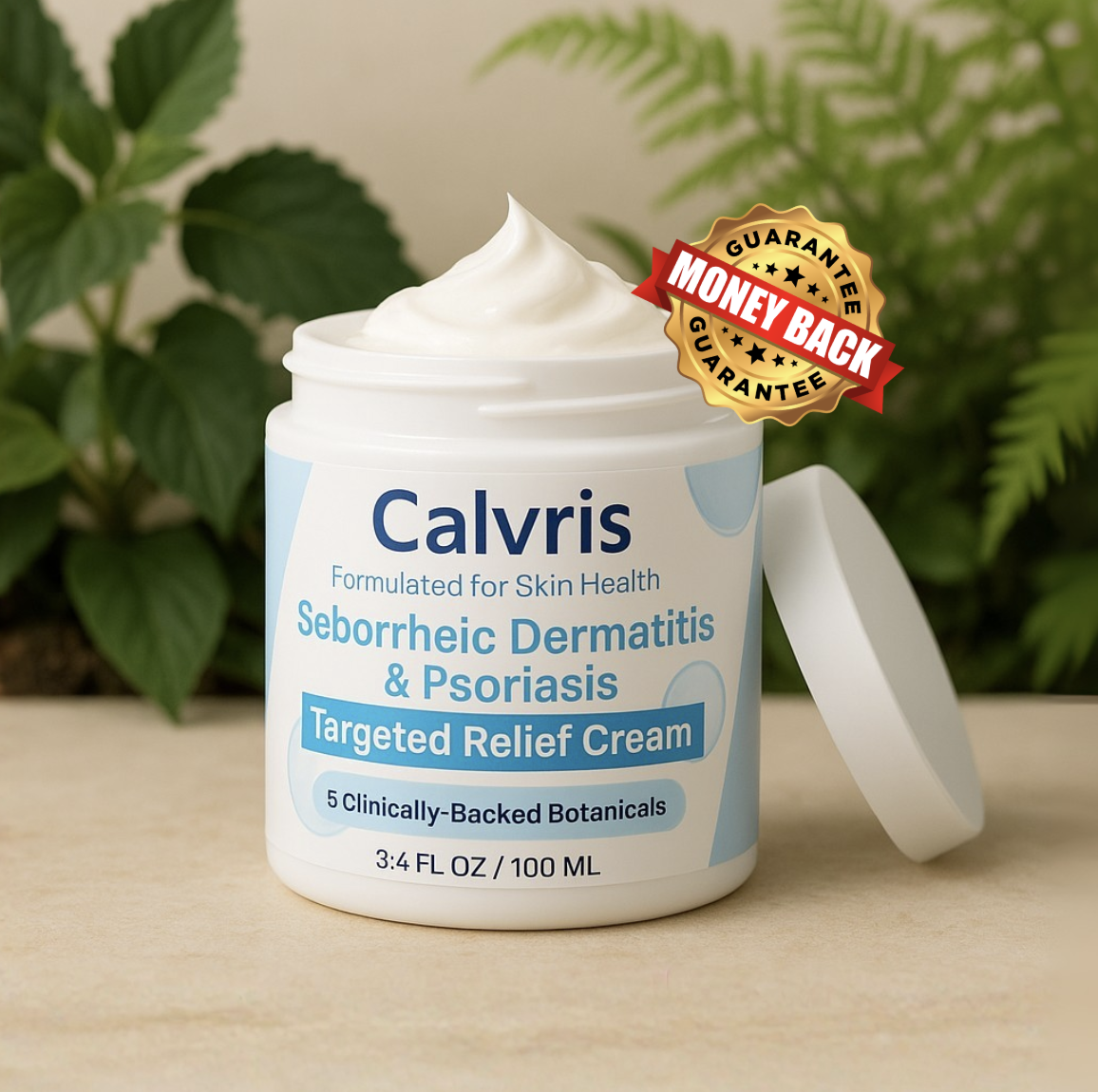
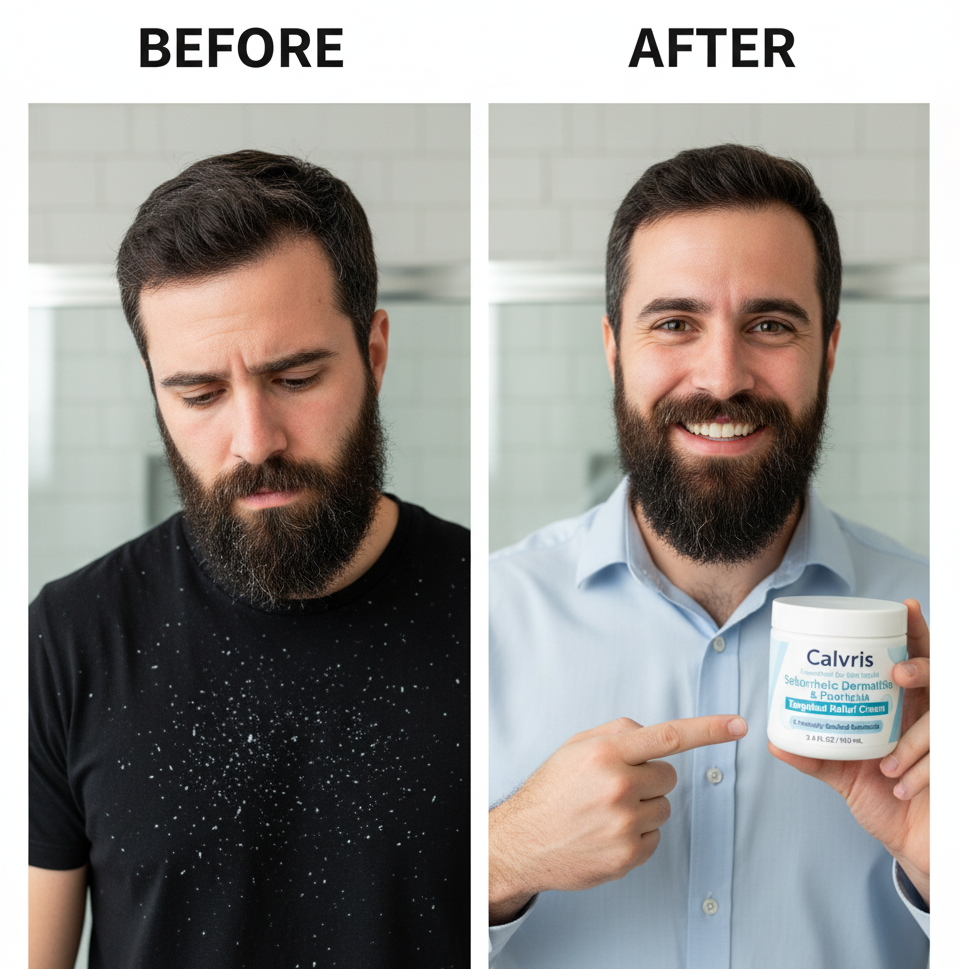
That's why I've started recommending Calvris to my patients; a dermatologist-developed topical balm that simultaneously eliminates yeast, restores your barrier, and rebalances your microbiome.
Calvris uses something called Dry-Safe Complex—a proprietary formulation that:
✓ Starves Malassezia by disrupting its food supply
✓ Stays on your skin for hours (doesn't rinse off)
✓ Penetrates deep into follicles and oil glands
✓ Repairs your damaged skin barrier
✓ Supports beneficial bacteria that keep yeast in check
✓ Reduces inflammation without steroids
It doesn't just mask symptoms. It eradicates the root cause.
The Results: 94% See Improvement Within 1 Weeks
In a 12-week clinical study of 200 participants with moderate to severe Seborrheic Dermatitis:
- 87% saw significant reduction in flaking within 1 weeks
- 92% reported reduced redness and inflammation by week 2
- 85% achieved complete clearance by week 4
- 94% remained flare-up free at 6-month follow-up
But beyond statistics, here's what my patients tell me:
"I had seborrheic dermatitis for 20 years. Tried everything... coal tar, steroids, prescription shampoos. Nothing worked for more than a few weeks. After one month with Calvris, my scalp is 95% clear. I actually wear black shirts again."
— Michael R., 42
"The flaking around my nose was so bad I stopped dating. I was too embarrassed. Calvris cleared it up in three weeks. I wish I'd known about this years ago."
— Jennifer T., 34
"My dermatologist had me on steroid creams for 8 months. The moment I stopped, everything came back worse. Calvris actually fixed the problem instead of just covering it up."
— David K., 51
How to Use Calvris: The 6-Week Protocol
Most people fail with treatments because they stop too early. Here's the dermatologist-recommended protocol:
Weeks 1-2: Aggressive Phase
- Apply to affected areas 2-3 times daily
- Use after cleansing, on slightly damp skin
- Don't rinse off—let it absorb fully
- You may see increased flaking initially (this is yeast die-off—a good sign)
Weeks 3-4: Maintenance Phase
- Reduce to once daily application
- Continue even after symptoms clear
- Focus on previously affected areas
Weeks 5-6: Prevention Phase
- Apply 2-3 times per week
- Or use as needed if symptoms start returning
Week 6+: Long-Term
- Most patients maintain with 2-3x weekly use
- Increase frequency during winter months
The key is consistency. Visible symptoms clear quickly, but the underlying yeast and barrier damage take 6+ weeks to fully resolve. Stick with it.